Only seven percent of managers worldwide believe their organizations are effectively developing leaders. This statistic may come as a surprise, but it shouldn't. If you speak with most HR leaders in private, they will likely share similar sentiments: the leadership development programs they implement often appear impressive on paper, but they do not perform well in practice.
Annual reviews are still the default in most organizations. They are familiar, they fit into existing cycles, and they are easy to defend. But they consistently fail to give leaders the kind of feedback they need to genuinely improve. One manager's perspective, collected once a year, does not build self-awareness. It builds a snapshot, and not always an accurate one.
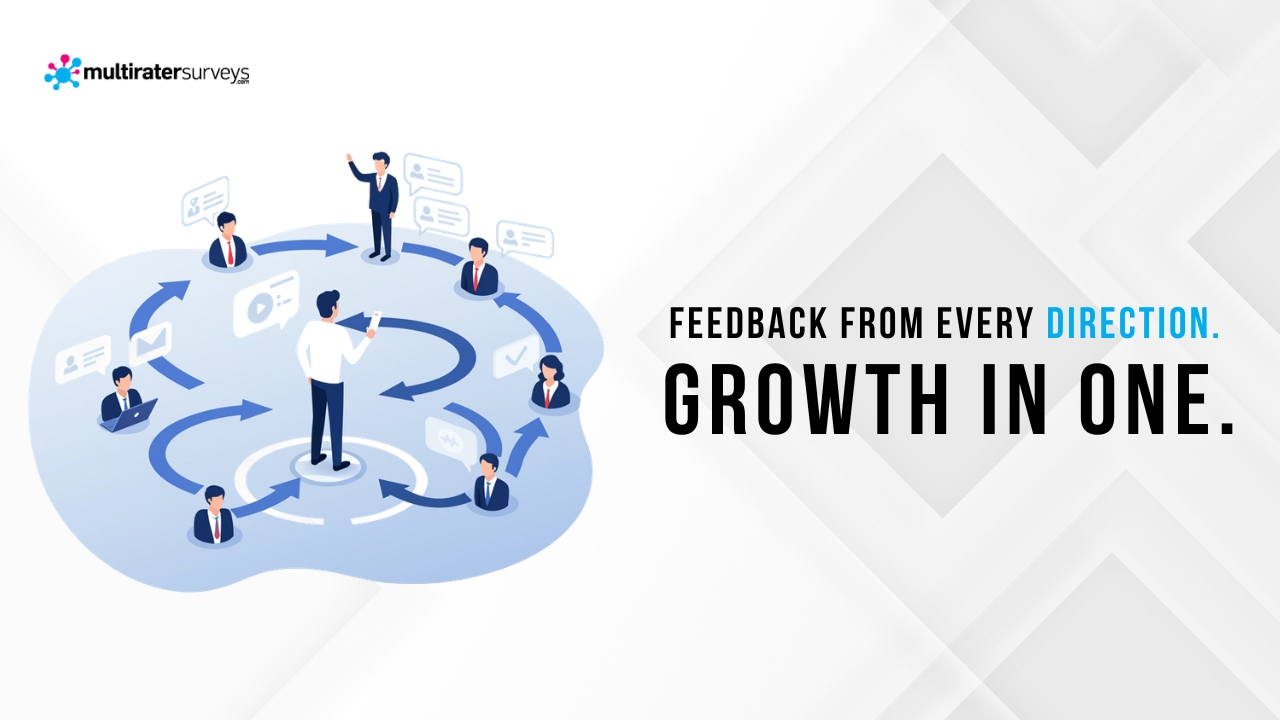
360 degree feedback tools work differently. When the process is set up properly, they bring in perspectives from multiple directions at once: direct reports, peers, managers, sometimes clients, and the leader themselves. That combination tends to surface things that no single-source review ever would. This article walks through how to actually use these tools to build a leadership development program that does what it is supposed to do.
What Are 360 Degree Feedback Tools and Why Do They Matter
The Difference Between Traditional Reviews and 360 Performance Feedback
The traditional performance review has one fundamental limitation. It reflects the view of one person. That person might be fair, perceptive, and well-intentioned, and still only see a fraction of how a leader actually operates day to day.
360 performance feedback does not replace the manager's view. It puts it alongside several others. Direct reports see things managers do not. Peers notice patterns that neither group picks up. The leader's own self-assessment often reveals just as much through what it gets wrong as through what it gets right.
Put those perspectives together, and you get something far more honest than any single-source process can produce.
Who Provides Input in a 360 Feedback Assessment
Input typically comes from:
- The leader is completing a self-assessment
- Direct reports who work with them regularly
- Peers at the same level
- The leader's own manager
- Occasionally, external clients or stakeholders
The value of this approach is not just in having more data. It is in having data from people who experience the leader differently. That is what makes 360 feedback such a practical and effective leadership assessment tool. It shows leaders where their self-image and their actual impact diverge, and that gap is almost always where development needs to start.
The Business Case for Using a 360 Degree Feedback Tool in Leadership Development
The Cost of Poor Leadership on Organizations
There is a tendency in organizations to treat leadership quality as a soft issue. Something important but hard to measure, hard to connect to financial outcomes. The data does not support that view.
Gallup's research is consistent on this point: managers account for at least 70% of the variance in team engagement. That is not a minor variable. That is the dominant factor. And Gallup's 2025 State of the Global Workplace report showed global engagement has dropped to 21%, with manager engagement specifically falling from 30% to 27%.
Lower engagement means lower productivity, higher absenteeism, and higher turnover. The cost of replacing an employee typically runs between 50% and 200% of their annual salary, depending on the role. Weak leadership is an expensive problem, even before you factor in the cultural damage it does.
What the Data Says About Leadership Development ROI
The organizations responding to this are increasing their investment, not pulling back. Gartner found that leadership and manager development held the top spot on HR priority lists in 2025 for the third consecutive year. Learning budgets grew by an average of 11.7%, with leadership-specific spending up 13.3% year over year.
That sustained investment reflects what the evidence shows: structured development programs tied to real feedback data produce better outcomes than ad hoc training. The uptake of 360 degree appraisal software is part of that picture, as more HR teams move away from one-off reviews toward ongoing feedback cycles built into their performance management software infrastructure.
How to Build a High-Performance Leadership Development Program Using 360 Feedback

Step 1: Define Your Leadership Competencies
This step comes before anything else, including choosing a platform or designing a survey. You need to know what you are actually trying to develop.
That means identifying the specific competencies that matter in your organization. Not a generic list borrowed from a framework designed for someone else. Your list. The behaviours and capabilities that distinguish effective leaders in your context, whether that includes things like accountability, coaching, communication, decision-making under pressure, or managing across hybrid teams.
Without this foundation, the feedback you collect will be hard to interpret, and the development plans you build from it will lack focus.
Step 2: Choose the Right 360 Degree Appraisal Software
This decision matters more than most organizations give it credit for. The platform shapes the entire experience for participants, for leaders receiving feedback, and for the HR teams running the program.
The right 360 degree appraisal software lets you build surveys around your own competency framework rather than a preset template. It protects respondent anonymity in a way that participants actually trust. It produces reports that leaders can read and act on without needing a consultant to interpret them. And it handles the administration without adding significant work to your HR team's plate.
If the platform also supports 180 degree and pulse survey formats, that is worth prioritizing. Having those options available means you can run a complete feedback ecosystem from one place rather than stitching together multiple tools.
Step 3: Run the Survey and Collect Multi-Rater Feedback
Before the survey goes out, brief your participants. This does not need to be a lengthy process, but people need to understand what the survey is for, how the data will be used, and how their confidentiality is protected. Organizations that skip this step consistently see lower completion rates and more cautious, less useful responses.
Once that communication is done, a well-configured leadership assessment tool takes over the mechanics. Invitations go out automatically, completions are tracked, and results are consolidated without manual chasing from your team.
Step 4: Debrief and Interpret Results With Leaders
If there is one step in this process that organisations consistently underinvest in, it is this one. And it is probably the most important.
A report sitting in someone's inbox does not produce development. A conversation that helps a leader understand what the data is actually telling them does. Effective debriefs surface the patterns across rater groups, draw attention to where self-perception diverges from how others respond, and help the leader identify the two or three areas most worth focusing on.
Not every organization has enough internal coaching capacity to debrief every participant individually. MyMentor Insights from MultiRater Surveys was built partly to address that gap. It guides leaders through their results interactively using AI, making the debrief process scalable without removing the personal element that makes it useful.
Step 5: Build Personalised Development Plans
A development plan that looks the same for everyone is not really a development plan. It is a template exercise that leaders will file and forget.
Each leader should finish their debrief with a plan that reflects their actual results. Specific actions tied to specific gaps. Resources that are relevant to what they are working on. A timeline that is realistic, given their current workload. And some form of accountability structure so the plan does not quietly expire after three weeks.
When development is built around real data and personalized to the individual, follow-through rates improve significantly. People are more likely to act on feedback when it clearly applies to them.
Step 6: Track Progress With Ongoing Feedback Cycles
One survey gives you a starting point. An ongoing feedback cycle gives you a development program.
Running follow-up surveys every six to twelve months lets you track whether the behaviours identified in the debrief are actually changing over time. That progression data is also valuable for demonstrating the ROI of your leadership development investment to senior stakeholders who want to see evidence that the spend is working.
Pulse surveys between full 360 cycles provide a lighter-touch option for maintaining momentum and giving leaders a sense of their progress without the full administrative load of another complete process.
Also read: The Hidden Benefits Of 180-Degree Feedback: A Strategic Approach To Growth
Key Features to Look for in a 360 Degree Feedback Tool
When comparing platforms, focus on these:
- Competency customisation. The survey should map to your leadership framework, not a generic one. If you cannot customise the questions to reflect your organisation's specific expectations, the feedback will be less relevant and harder to act on.
- Genuine anonymity. Respondents need to trust that their individual answers cannot be traced back to them. If that trust is not there, they will not be honest, and the data loses its value.
- Reporting that works for non-specialists. HR administrators and program managers need visibility at the cohort and organisation level. Individual leaders need reports they can understand without a consultant sitting next to them. Good performance management software delivers both.
- AI-powered development pathways. MultiRater Surveys' MyMentor Insights goes beyond producing reports. It automates personalised development journeys for each leader based on their specific results, which means development does not stop when the debrief ends.
- HRIS integration. The less manual administration your team has to manage, the more consistently the program will run. Integration with your existing HR systems keeps the process sustainable.
Common Mistakes to Avoid When Implementing 360 Feedback

Connecting 360 results to pay or promotion. This is the fastest way to undermine the process. Once people believe their responses could affect someone's salary or career progression, they stop being honest. The data becomes unreliable, and the whole exercise loses credibility.
Collecting feedback and doing nothing with it. Leaders notice when a process produces no action. If the first round of 360 surveys is followed by silence, getting participation in round two will be significantly harder.
Not communicating clearly before launch. People who do not understand the purpose of the survey, or who are uncertain about confidentiality, tend to give cautious, vague responses. A short briefing before the survey goes out makes a real difference to the quality of data you get back.
Moving from survey to development plan without a debrief. The gap between self-ratings and rater scores is where the most useful insight sits. Skipping the debrief means skipping the part of the process that is most likely to produce genuine behavioural change.
How MultiRater Surveys Support Your Leadership Development Program
MultiRater Surveys is designed specifically for organisations that want to take leadership development seriously and build it on real data rather than good intentions.
The platform covers 360 degree leadership surveys, 180 degree performance management surveys, and employee pulse surveys, all in one system. You do not need separate tools for different parts of the process.
MyMentor Insights takes the platform further. It uses AI to deliver interactive debriefs and build personalised development journeys for each participant, which means the development experience does not depend on having a coach available for every leader in the organisation. It scales in a way that traditional coaching programs simply cannot.
MultiRater Surveys are used by organisations of all sizes across multiple industries. Whether you are running a focused program for a small leadership group or deploying feedback across a large enterprise, the platform is built to handle it without requiring specialist technical expertise to administer.
Conclusion
Most leadership development programs fail not because the intention is wrong but because the process underneath them is too thin. A competency framework without feedback data is a wish list. A survey without a debrief is a missed opportunity. A development plan that is not personalised is unlikely to change anything.
The six steps in this article give you a practical framework for doing this properly. Define what good leadership looks like in your organisation. Choose 360 degree appraisal software that fits the way you work. Run the process with clear communication and proper debriefs. Build development plans that reflect individual results. And track progress over time so you can see what is actually changing.
360 performance feedback does not fix leadership problems on its own. But used consistently and followed through properly, it gives leaders the self-awareness they need to improve and gives organisations the data they need to invest in development with confidence.
Ready to build a leadership development program that actually works?
Start your free 14-day trial with MultiRater Surveys today, no payment details required, and see how our 360 degree feedback tools can help you develop stronger leaders at every level.
Visit multiratersurveys.com or contact the team at info@multiratersurveys.com to get started.
FAQs
1. What is a 360 degree feedback tool?
A: It is a survey platform that collects structured feedback on a leader's behaviours and performance from multiple people, including their manager, peers, direct reports, and themselves. The multi-source approach gives a much more complete picture of leadership effectiveness than any single-rater process can provide.
2. How is 360 feedback different from a standard performance review?
A: A standard review reflects one person's view, usually the direct manager's. A 360 process brings in perspectives from people across different levels and relationships. The result tends to be more balanced, harder to dispute, and more useful for targeted development work.
3. How often should organisations run a 360 degree feedback program?
A: Once a year or every 12 to 18 months works well for most organisations. Pulse surveys between full cycles help track progress and keep leaders engaged with their development without the full administrative load of another complete 360 process.
4. Can small businesses use 360 degree appraisal software?
A: Yes. Platforms like MultiRater Surveys are built to work for organisations of all sizes. Small businesses can run focused programs for key leaders without the cost and complexity that enterprise-only solutions used to require.
5. What is the best way to act on 360 performance feedback results?
A: A structured debrief first, then a personalised development plan with specific actions, a realistic timeline, and clear accountability. Feedback that does not connect to a concrete plan rarely changes behaviour in any lasting way.